
French shelters experienced an extraordinary summer in 2026. Record numbers of abandonments, saturation of facilities, but also an unprecedented surge in adoptions. This dual phenomenon encapsulates the tension within the animal world in France: on one side, suffering animals, and on the other, families ready to commit.
Abandonments and Adoptions in France: The Paradox of Summer 2026
The SPA welcomed a record number of animals during the summer of 2026, to the point of saturating its shelters. This wave of abandonments did not only affect dogs and cats. New pets (rabbits, ferrets, reptiles) also saw their abandonment rates rise sharply.
Did you think that abandonment only concerned dogs? NACs now represent an increasing share of shelter residents. The reason is simple: many families underestimate the needs of these species at the time of purchase.
At the same time, 4 Pattes d’Amour news reports that the mobilization of adopters has also hit record levels. This dual movement – more abandonments, more adoptions – creates enormous logistical pressure on shelters, which must manage simultaneous incoming and outgoing flows.
Shelters operate at full capacity, not at a constant level. Every space freed by an adoption is immediately filled by a newcomer. The problem is therefore not just the volume, but the speed at which facilities must process each case: identification, veterinary care, behavioral assessment, placement in foster homes.

Animal Abuse: A Significant Increase in Reports
Between the summer of 2025 and the summer of 2026, the SPA recorded a significant increase in requests for intervention regarding abuse. This figure goes beyond simple abandonments. It concerns animals living in their owners’ homes under degraded conditions.
Abuse is not limited to physical harm. It includes neglect: lack of veterinary care, inadequate feeding, prolonged confinement. These situations are harder to detect than abandonment on the roadside because they occur behind closed doors.
Several factors explain this increase in reports:
- Public awareness through social media encourages more witnesses to alert associations and authorities.
- Veterinarians and municipalities have clearer reporting protocols following recent regulatory changes.
- The economic precariousness of some households makes it financially difficult to keep an animal healthy, without owners daring to ask for help.
Reporting is not denouncing; it is protecting. Associations emphasize this point: a call to the SPA or municipal veterinary services can prevent a situation of neglect from escalating into serious abuse.
Adopting a Dog or Cat from a Shelter: What Advertisements Don’t Tell You
Online adoption platforms have facilitated connections between shelters and families. This is a real advancement. The downside is that adoption sometimes resembles an online purchase: you choose a photo, fill out a form, and pick up the animal.
A serious shelter does not operate like that. The behavioral assessment of the animal takes time. A dog that has experienced trauma will not behave the same way in a kennel as it would in a living room. Behavior in a shelter is not the same as behavior at home.
The Questions a Good Shelter Asks Before Adoption
An adoption interview usually lasts between thirty minutes and an hour. The shelter seeks to understand your lifestyle, not to judge you. How many hours will the animal be left alone? Do you have a fenced garden? Are there other animals in the household?
These questions are not bureaucracy. They reduce the risk of return, which is an additional trauma for the animal. A return to the shelter after adoption can permanently increase the animal’s stress.
New Pets: A Trend That Raises Questions
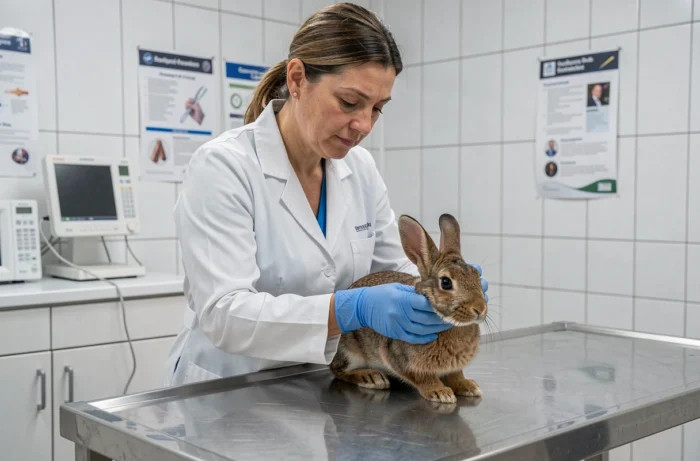
Rabbits, guinea pigs, snakes, parrots: NACs are increasingly appealing to French households. Their presence in shelters is rising accordingly. The problem is structural: few veterinarians are trained in the specific care of these species, and shelters lack suitable infrastructure.
A rabbit is not an “easy” animal. It needs space, a diet rich in hay, and regular dental care. A royal python lives for several decades and requires a temperature-controlled terrarium. Each species has non-negotiable needs that impulsive purchases do not take into account.
Before welcoming a NAC, check three concrete points:
- The presence of a NAC veterinarian within a reasonable distance from your home, as not all practices care for these species.
- The actual annual cost of food and care, which often exceeds what pet stores advertise.
- The lifespan of the species: a parrot can live for several decades, a commitment that many owners do not anticipate.
Animal Welfare in Europe: An Evolving Regulatory Framework
The European Union has enacted its first regulation specific to the welfare of dogs and cats. This text marks a turning point because it imposes minimum standards of care at the community level, where each country previously set its own rules.
For French owners, this means that the conditions of sale in pet stores, breeding practices, and transport standards will be gradually harmonized. The European regulation sets a common baseline, not a ceiling. France can maintain stricter requirements on its territory.
This regulatory framework also concerns the online trade of animals, a channel through which many puppies from trafficking pass. Sales platforms will need to verify the identity of sellers and the traceability of the animals offered.
The animal world is changing rapidly, between field crises and legislative advances. Keeping up with these developments allows for responsible choices, whether for adoption, reporting a concerning situation, or simply understanding what a shelter near you is going through.